
POM (acetal resin or polyoxymethylene) is one of the most difficult substrates to bond or overmold: its high chemical inertness, while ensuring excellent chemical resistance during use, represents a significant challenge for adhesion with other materials, including thermoplastic elastomers.
Franplast has developed TPE compounds in the Chemiton 2K® line capable of guaranteeing reliable adhesion to POM — in both homopolymer and copolymer variants — without the need for primers, adhesion promoters, or surface treatments. The recommended technology is direct two-component (2K) overmolding, although insert molding can also be used by adopting specific process measures. This technical know-how opens new design possibilities in sectors using POM components!
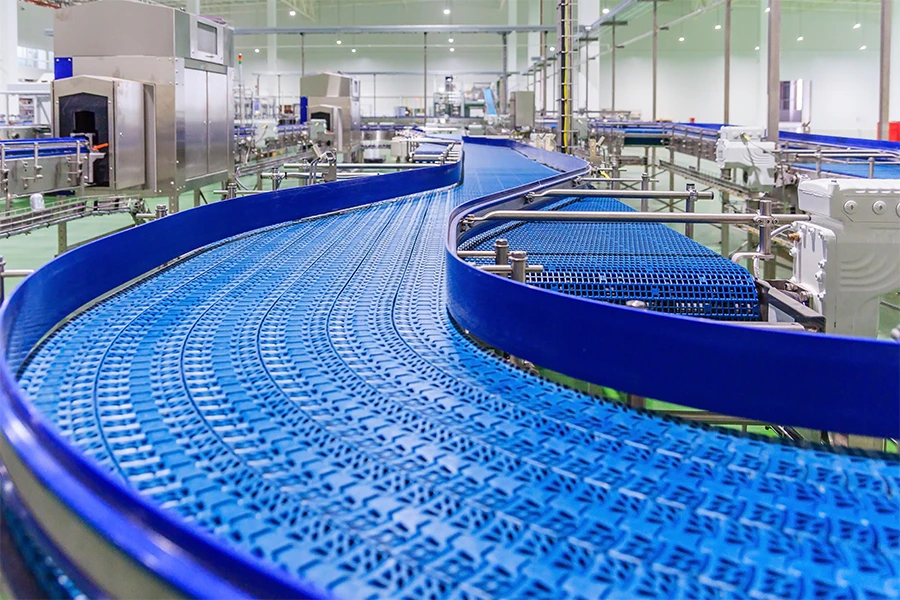 Why is POM so difficult to overmold?
The main challenge of POM in terms of adhesion is its inert and semi-crystalline chemical structure. The material’s high chemical inertness — a valuable property for resisting solvents, lubricants, and chemical agents — becomes an obstacle when trying to create a solid chemical bond with another material, such as a thermoplastic elastomer.
Traditional approaches to overcome this limit involve the use of primers, adhesion promoters, or surface treatments (plasma, flaming, etc.), all processes that add complexity, costs, and time to the production cycle. Furthermore, a distinction must be made between homopolymer and copolymer grades: while sharing the same basic difficulty, the two grades may respond slightly differently to adhesion processes, and both must be considered when developing the solution.
 The Franplast Solution: Chemiton 2K® on POM without pre-treatments
The solution developed by Franplast with Chemiton 2K® compounds allows for good chemical adhesion on POM — both homopolymer and copolymer — eliminating the need for any surface pre-treatment. This results in a leaner, more economical, and more reproducible production process without sacrificing the reliability of the final bond.
The recommended process technology is direct two-component (2K) overmolding, which allows the TPE to be injected directly onto the POM substrate in a single molding cycle. However, insert molding (overmolding at a later stage) is also possible; in this case, some technical process precautions are necessary, including:
- Use of a hot mold;
- Pre-heating of the POM substrate before TPE injection.
These measures favor the creation of chemical bonds at the interface and significantly improve the adhesive result, making this production method feasible as well.
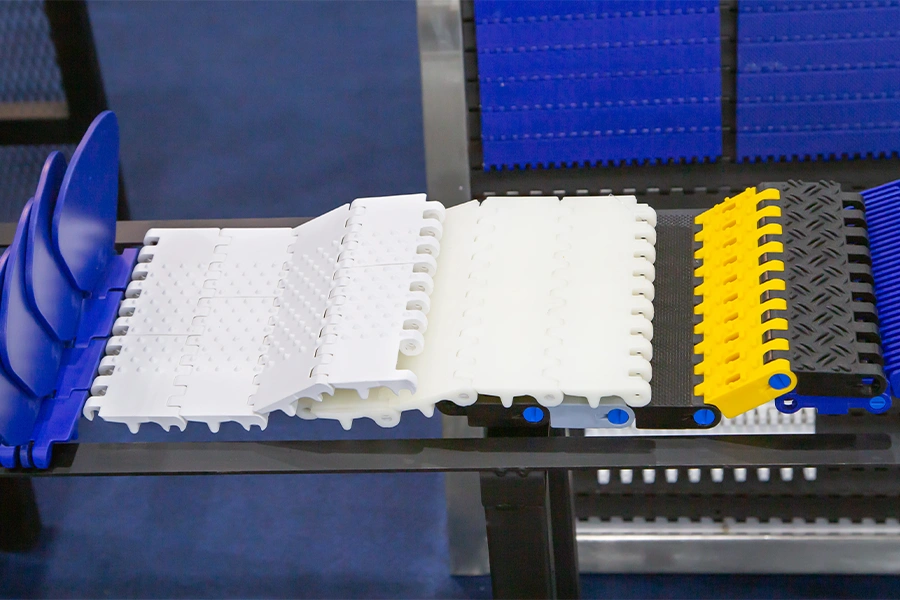 Chemiton 2K®: The TPE family for overmolding on engineering plastics
Chemiton 2K® is the family of thermoplastic elastomer compounds developed by Franplast specifically for injection overmolding and co-extrusion on rigid substrates, including engineering plastics such as POM, PC, ABS, PA6, PA66 (including glass fiber reinforced), and others.
Adhesion evaluation is conducted internally through standardized tests (VDI 2019), producing specimens on a bi-injection press and measuring the force required to separate the two components. The compounds are available in a wide range of hardnesses (from 20 Shore A to 40 Shore D) and densities, and comply with major industry regulations (REACH, RoHS, FDA).
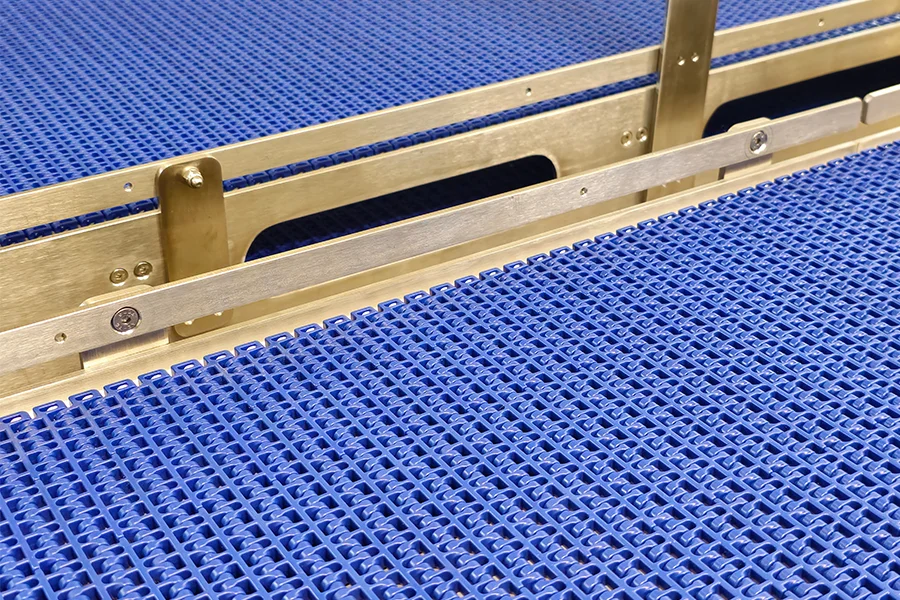 Applications and sectors of use
The ability to overmold TPE onto POM opens up a wide range of industrial applications where the combination of a rigid, precise component (POM) with a soft, non-slip, or damping part (TPE) represents a concrete functional advantage.
Sectors that habitually use POM as a structural component — automotive, electronics, precision mechanics, food industry, transport — can benefit from this solution to integrate ergonomic or protective features without modifying the structure of the rigid component.
